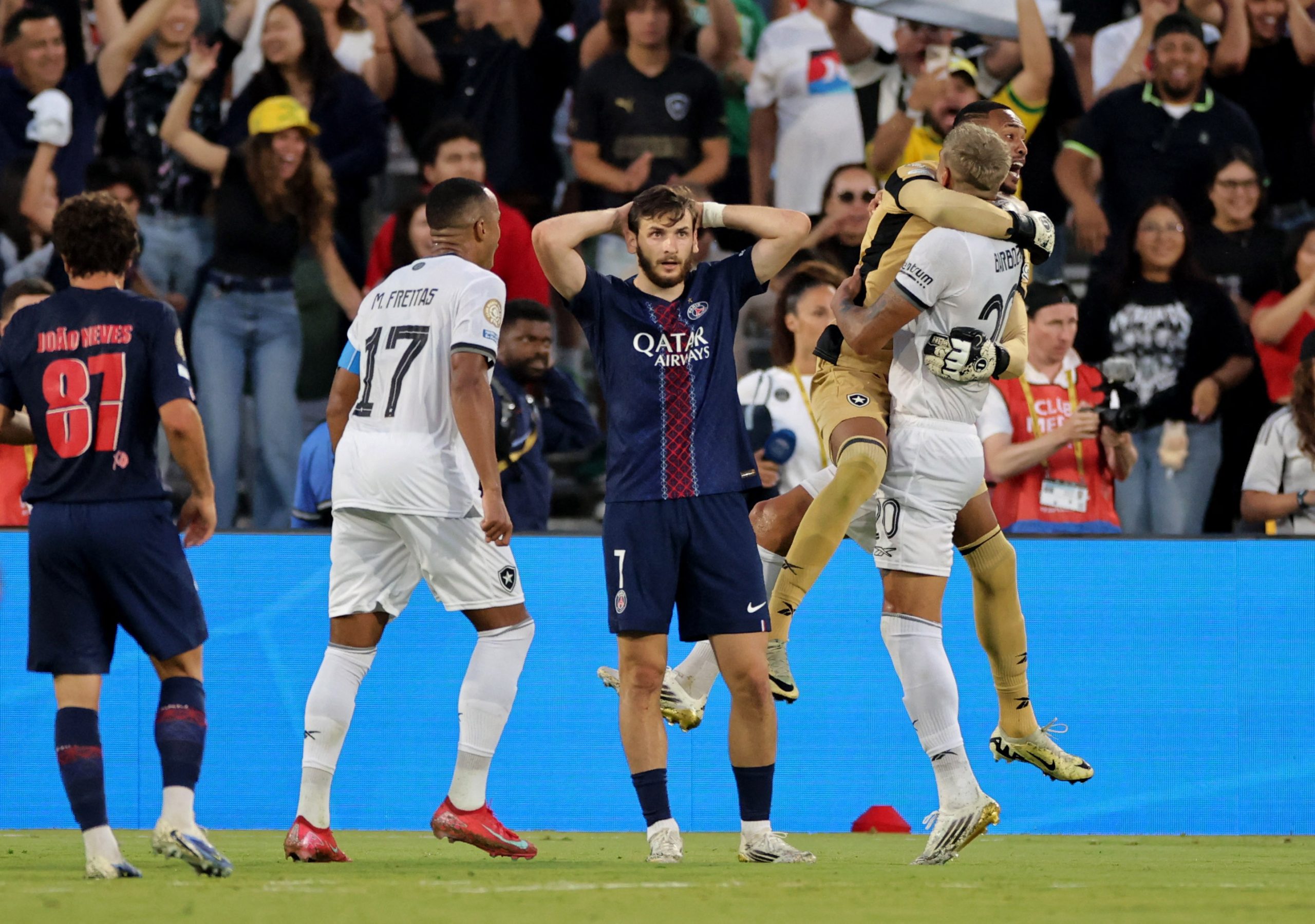
World Cup groups that combine global powerhouses with lesser-known teams often appear predictable on paper, yet the actual viewing experience tells a more complex story. For those watching full matches, these games reveal layered tactical adjustments, psychological shifts, and hidden moments of instability that shape outcomes far more than reputation alone suggests.
Why Mismatched Groups Still Produce Competitive Moments
Even when the gap in squad quality is clear, matches rarely unfold as one-sided as expected. Underdogs typically compress space effectively, forcing stronger teams into slower buildup patterns. This reduces the number of clear chances and creates periods where the favorite struggles to translate possession into meaningful penetration.
How Strong Teams Adjust Their Approach
Elite teams often begin cautiously in these fixtures, prioritizing control over aggression. Instead of pressing relentlessly, they circulate the ball to stretch defensive lines and wait for structural weaknesses. This controlled tempo can make matches feel slower, but it reflects a calculated approach to avoid transitional risks.
What Early Match Patterns Reveal
The opening phase of these games provides key indicators of whether the underdog can sustain resistance or is likely to collapse under pressure. Rather than focusing on possession statistics, viewers should analyze how space is managed and how quickly decisions are made under pressure.
- Observe how compact the defensive block remains across the first ten minutes.
- Track whether the stronger team finds central passing lanes or is forced wide.
- Watch how the underdog handles second balls after clearances.
- Notice if pressing from the favorite is coordinated or sporadic.
- Identify early signs of fatigue in defensive transitions.
These details reveal whether the match will evolve into sustained pressure or remain balanced longer than expected. A disciplined defensive structure combined with efficient clearances can delay dominance, while early positional errors often lead to a rapid shift in control.
The Psychological Layer Behind Tactical Discipline
Underdog teams often rely on emotional control as much as tactical organization. Maintaining concentration during long defensive phases is critical, and even minor lapses can undo otherwise solid performances. Meanwhile, stronger teams must remain patient, avoiding frustration that leads to rushed decisions.
How Live Viewing Exposes Subtle Breakdowns
Watching these matches unfold in real time—especially through ดูบอลสด—allows viewers to detect the exact moment when structure begins to fail. It may appear as a slight delay in closing down space, a missed tracking run, or a slower recovery sprint. These micro-breakdowns often precede goals and are rarely visible in highlight summaries, making live observation essential for understanding how pressure accumulates.
Comparing Control vs Efficiency
A direct comparison between stronger and weaker teams highlights how dominance and effectiveness can diverge during these matches.
Team Type | Possession Share | Chance Quality (xG per shot) | Defensive Stability
Powerhouses | High | Moderate | Occasionally exposed in transitions
Underdogs | Low | Often higher per সুযোগ | Structurally compact but fragile over time
This contrast shows that while stronger teams control the ball, underdogs can still generate meaningful chances through selective attacks. For viewers, this means watching not just how often teams attack, but how dangerous those moments actually are.
When the Expected Script Fails
Matches become unpredictable when the favorite scores early or the underdog gains confidence through a successful transition. Early goals can force tactical shifts, opening spaces that would otherwise remain closed. This is when structured games turn chaotic, and viewers must quickly reassess the balance of control.
How Game State Changes Everything
A single goal alters risk tolerance on both sides. The leading team may drop deeper, while the trailing side increases urgency, often disrupting previously stable formations and creating new patterns of play.
Where the Real Drama Lies
The true drama in these matchups is not constant action but the tension between control and resistance. Each minute without a breakthrough increases pressure on the favorite, while each successful defensive phase builds belief for the underdog. This dynamic creates a slow-building narrative that rewards attentive viewing.
Summary
Uneven World Cup groups reveal a deeper layer of ดูบอลสดไม่กระตุก โกลแดดดี้ where structure, patience, and small tactical details shape the outcome. For viewers, recognizing early patterns, psychological shifts, and moments of structural breakdown provides a clearer understanding of how these matches truly unfold beyond expectations.
Share With Your Friends